
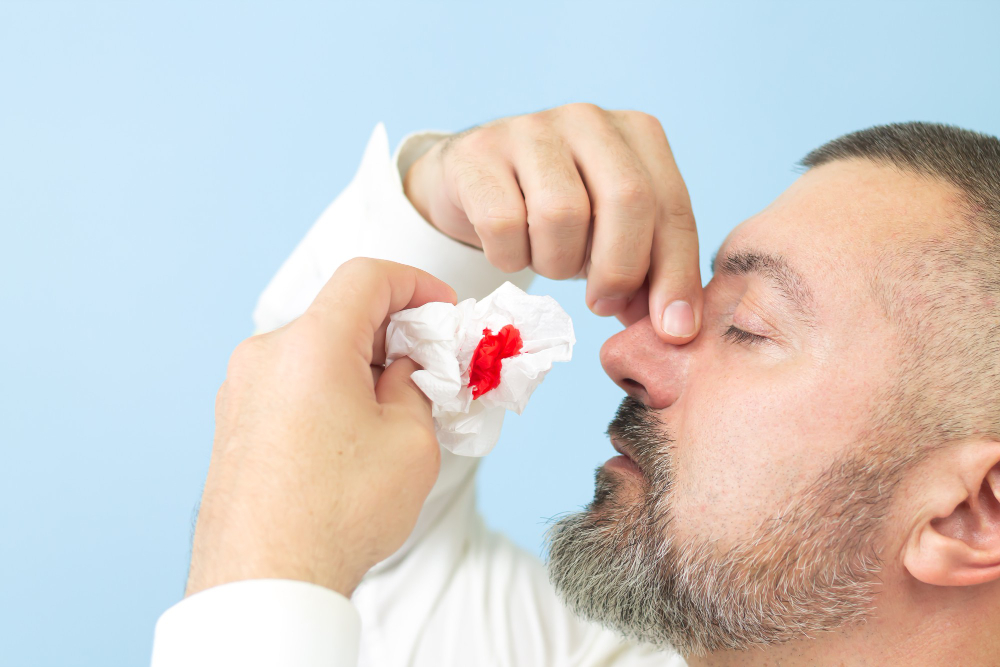
What is Epistaxis?
Epistaxis is the medical term for a nosebleed. Many people experience nosebleeds at some point in their lives. Although most nosebleeds are not serious, they can be alarming. In most cases, epistaxis can be managed at home. However, sometimes medical help is needed. Understanding the causes and treatments can help you stay calm and act quickly.
Common Causes of Epistaxis
There are many reasons why nosebleeds happen. Some causes are simple, while others may need medical attention. For example, dry air is a common trigger. But, injuries or certain health conditions can also lead to epistaxis. Below are some frequent causes:
According to the CDC, most nosebleeds are not linked to serious health problems. Still, knowing the cause can help with nosebleed treatment and prevention.
Recognizing Symptoms
Usually, the main symptom of epistaxis is blood coming from one or both nostrils. Sometimes, the blood may drip down the back of the throat. In addition, you may notice:
Most nosebleeds stop on their own. However, if bleeding lasts longer than 20 minutes, it is important to seek help.
Diagnosis: When to Seek Medical Help
Most nosebleeds do not need a doctor. Yet, there are times when you should get checked. For instance, if you have frequent nosebleeds, it may signal an underlying issue. Also, if the bleeding is heavy or follows an injury, medical care is needed. You should seek help if:
Doctors may ask about your health history and check your nose. Sometimes, they may order blood tests to rule out other problems.
Treatment Options
First Aid for Nosebleeds
Knowing how to stop a nosebleed is important. Here are simple steps you can follow at home:
If the bleeding stops, avoid blowing your nose for several hours. However, if it does not stop, seek medical help.
Medical Interventions
Sometimes, home care is not enough. In these cases, doctors may use special treatments, such as:
According to the World Health Organization, most medical treatments are quick and safe.
Prevention Tips and Lifestyle Guidance
Preventing nosebleeds is possible with a few simple steps. For example, you can keep your nose moist and avoid injuries. Here are some helpful tips:
With these steps, you can reduce your risk of epistaxis and enjoy better nose health.
When to Consult a Doctor
If you experience frequent or severe nosebleeds, it’s important to consult Dr. Sujit Babasaheb Ghatage for personalized advice. Although most nosebleeds are harmless, some require medical attention. If you notice other symptoms, such as easy bruising or bleeding from other areas, seeking early care can help prevent future problems.